active directory AI Career Growth Database Development Information Security Linux Microsoft Networking Tools Guides
Category: Information Security
-
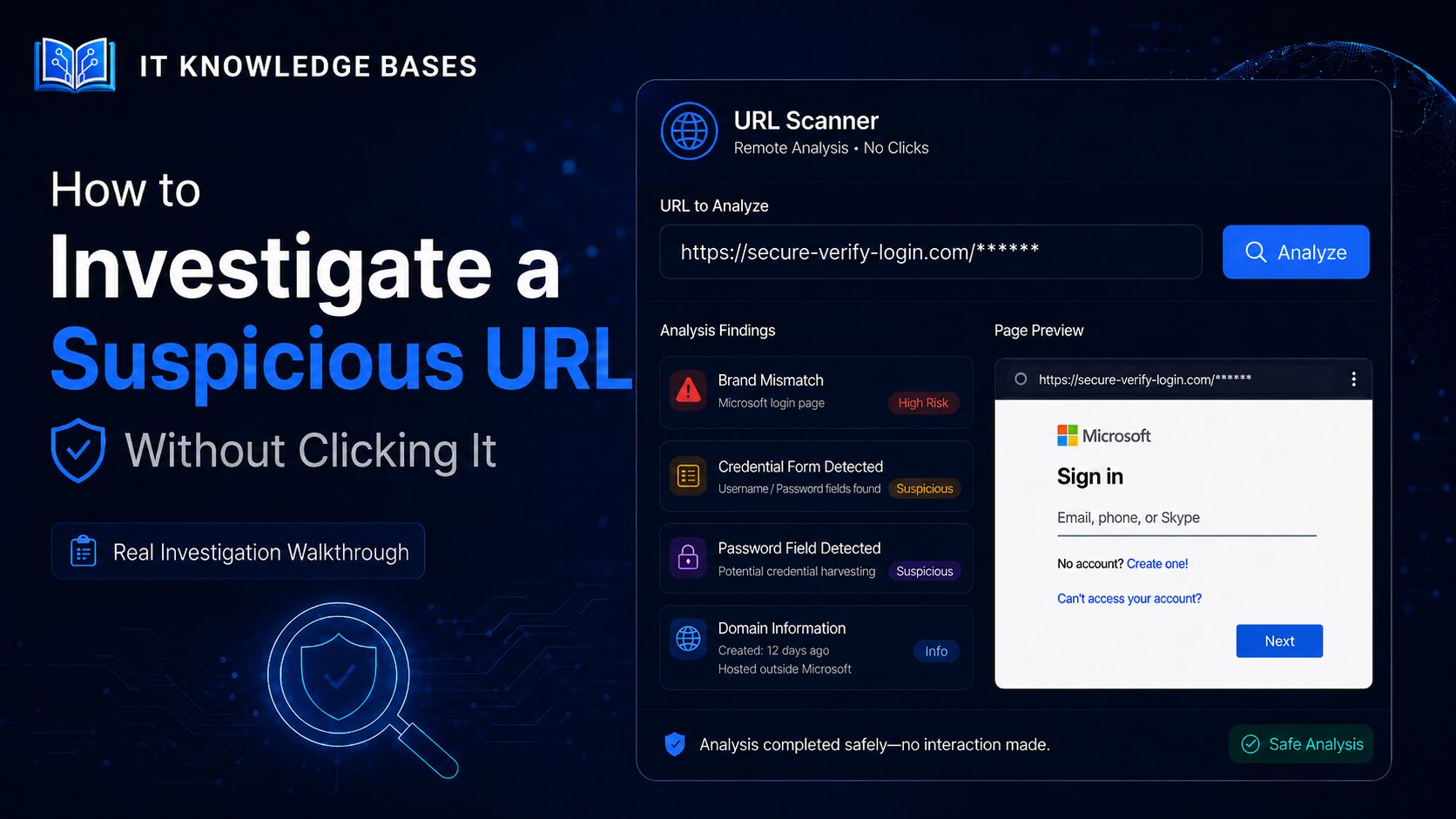
A real-world walkthrough showing how a Microsoft-branded credential-phishing page was identified through remote screenshots, password-field detection, domain analysis and brand-mismatch findings. Important: Do not open a suspicious URL directly from your normal workstation just to see where it goes. Investigate it remotely, preserve the original evidence and avoid entering credentials. Investigation steps Review the investigation…
-
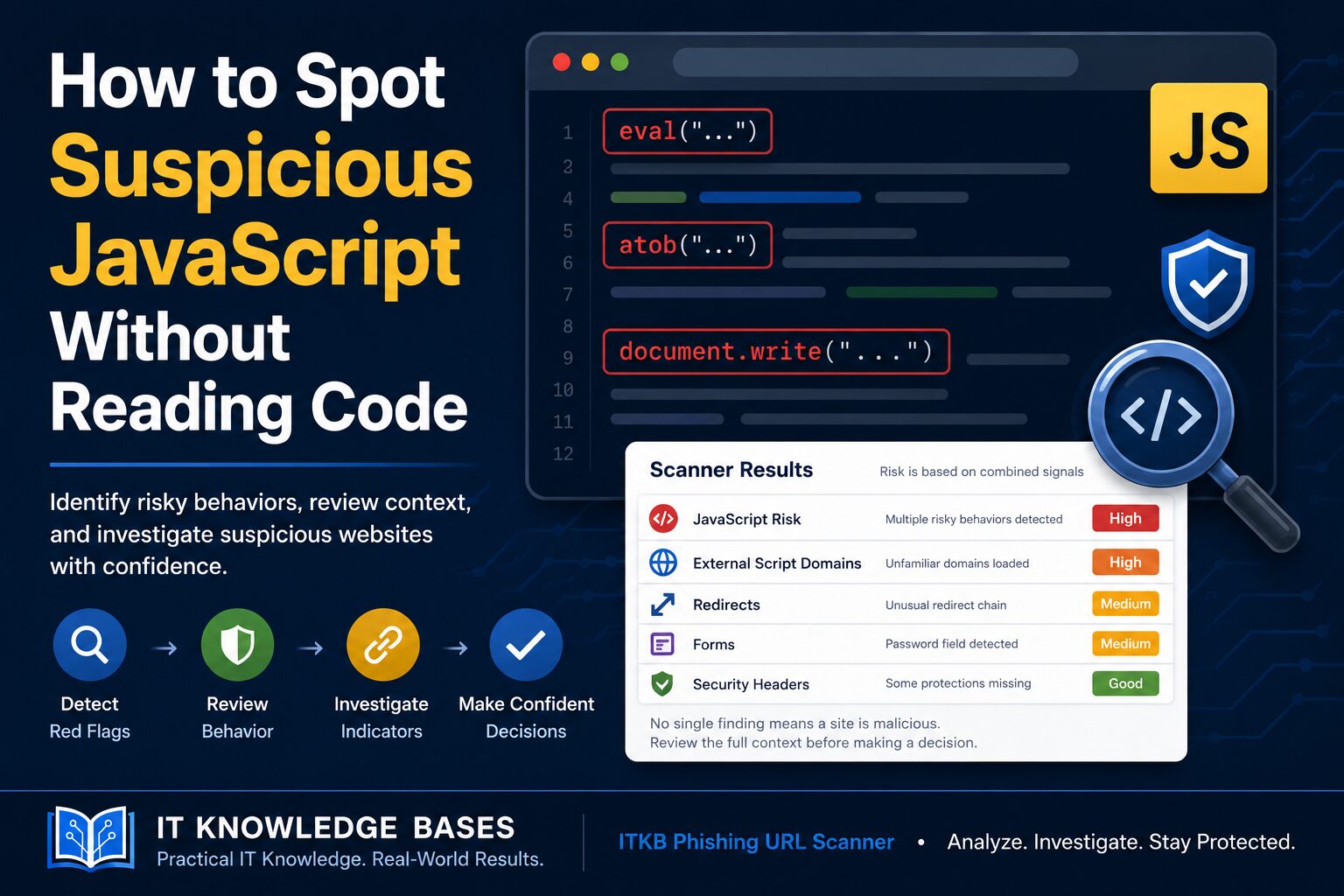
TL;DR: Suspicious JavaScript is usually identified by behavior, not by reading every line of code. Look for signals such as eval(), atob(), dynamic script injection, obfuscated scripts, unexpected redirects, and unfamiliar third-party domains. One signal alone does not prove a site is malicious, but several together should trigger deeper review before entering credentials or trusting…
-
If your WooCommerce store uses the Booster for WooCommerce plugin, check its version now. CVE-2026-56027 is a critical arbitrary-file-upload vulnerability affecting Booster for WooCommerce version 8.0.1 and earlier. The vulnerability can be reached by an authenticated customer account—the same basic account type that many WooCommerce stores allow visitors to create automatically. Required action: Update Booster…
-
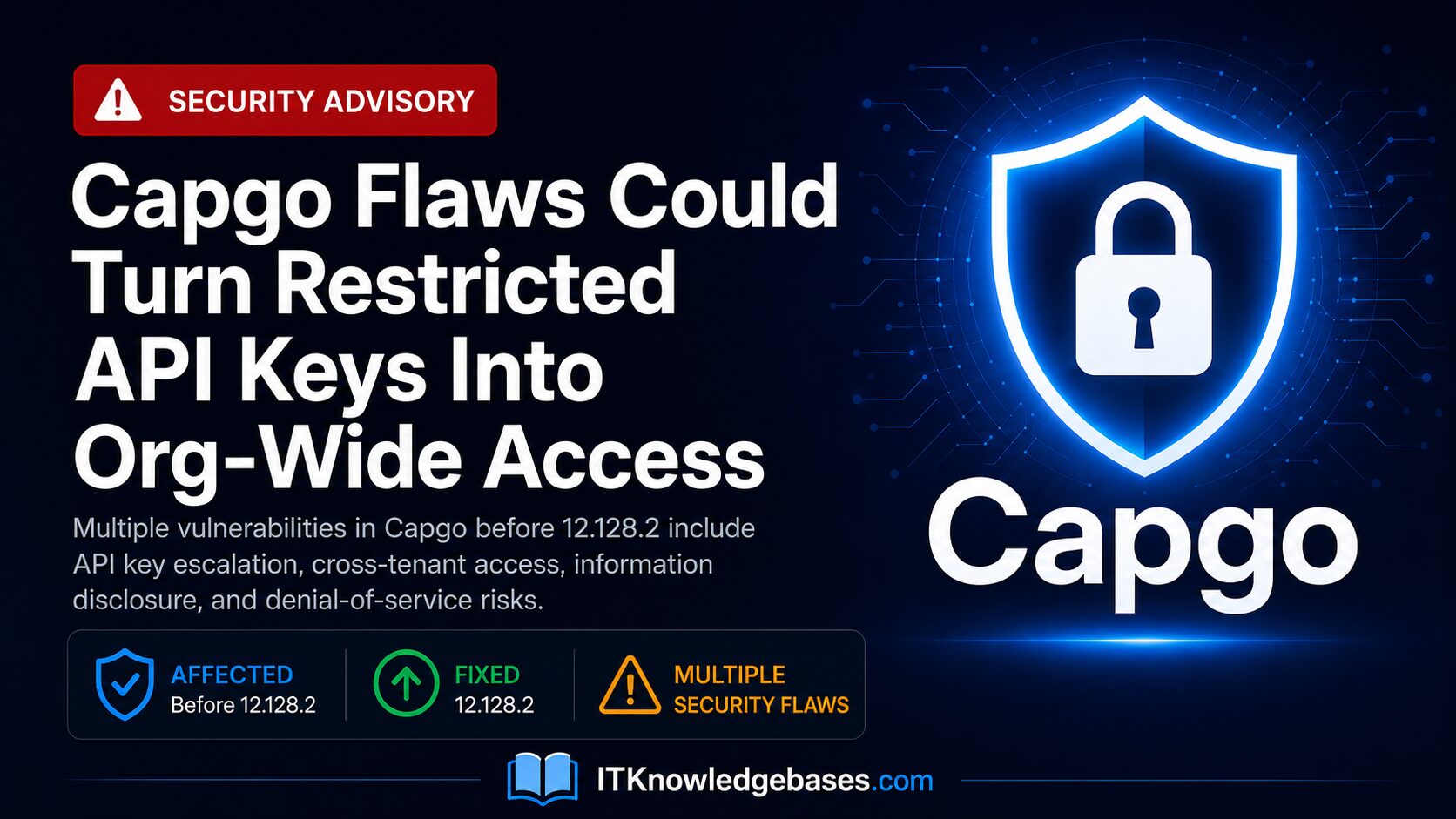
A large group of recently disclosed Capgo vulnerabilities affects versions of the application update platform released before 12.128.2. The most serious findings include an API key scope-escalation flaw, cross-tenant exposure of webhook secrets, and an authorization failure that could allow an administrator in one organization to target applications belonging to another organization. Other vulnerabilities expose…
-
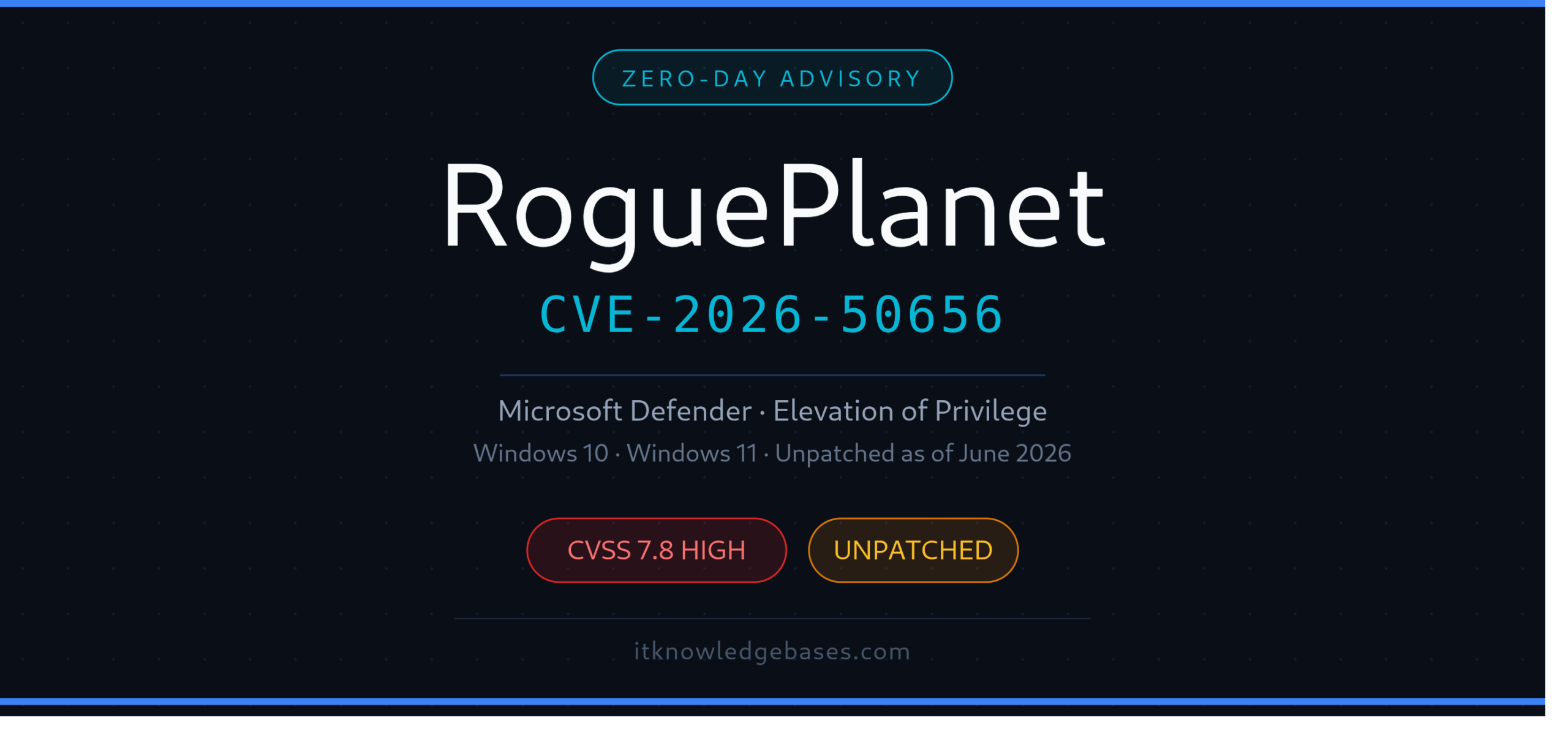
⚠ UNPATCHED ZERO-DAY — Public PoC AvailableCVE-2026-50656 | Microsoft (CNA) CVSS 3.1: 7.8 HIGH (AV:L/AC:L/PR:L/UI:N/S:U/C:H/I:H/A:H) | NVD independent scoring: pending enrichmentCWE-59: Improper Link Resolution Before File Access | Elevation of PrivilegeCISA SSVC: exploitation=poc | automatable=no | technical impact=totalValidated on patched Windows 10 and Windows 11 client systems. Microsoft has not published a complete affected-version matrix.Status:…
-
A newly reported credential exposure campaign, referred to by researchers as FortiBleed, allegedly involves a large dataset of Fortinet FortiGate firewall and SSL VPN credentials associated with internet-facing Fortinet devices. According to public reporting from Hudson Rock and other researchers, the dataset reportedly includes credentials associated with approximately 73,932 Fortinet firewall URLs and 21,632 affected…
-
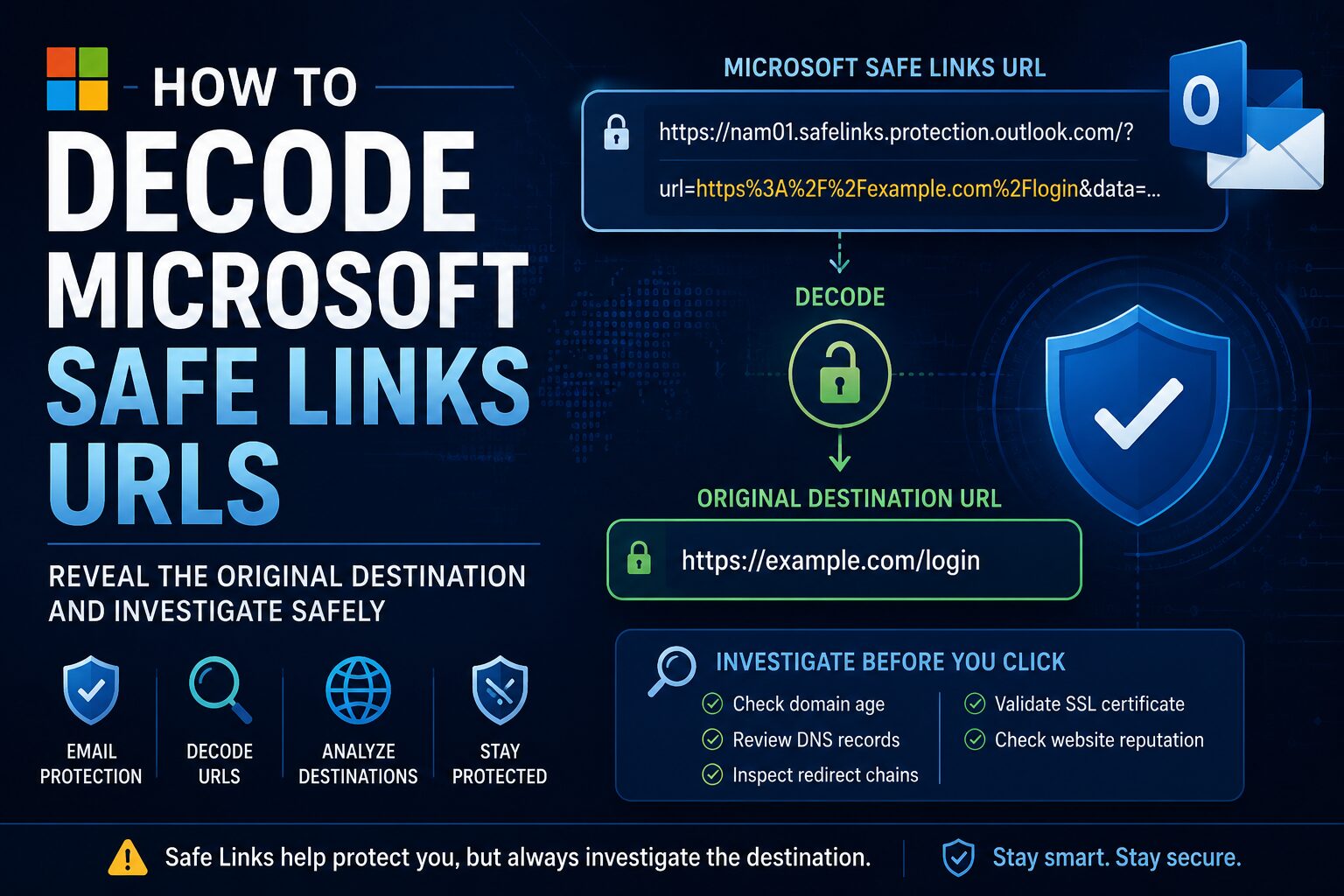
Microsoft Safe Links URLs can hide the original destination behind a rewritten Microsoft Defender link. This guide explains how Safe Links work, how to manually decode them, what mistakes to avoid, and how to safely investigate the decoded URL during phishing analysis. Microsoft Defender for Office 365 Safe Links helps protect users by rewriting URLs…
-
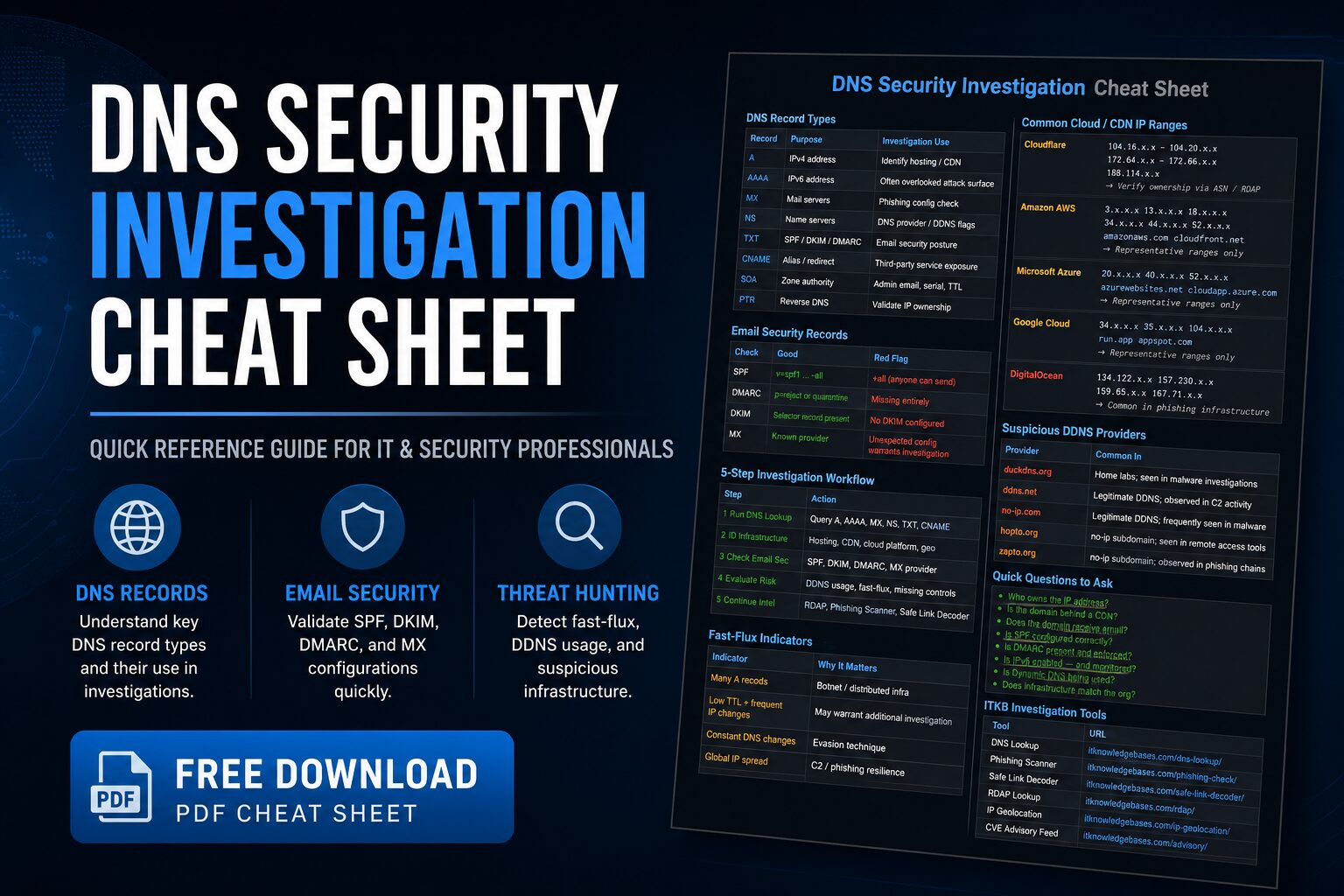
DNS Security Investigation Cheat Sheet resources are useful when analyzing phishing domains, suspicious websites, malware infrastructure, and command-and-control activity. DNS records can quickly reveal hosting providers, email services, cloud platforms, content delivery networks, and security controls that help investigators understand whether a domain deserves deeper review. If you are new to DNS investigations, start with…
-
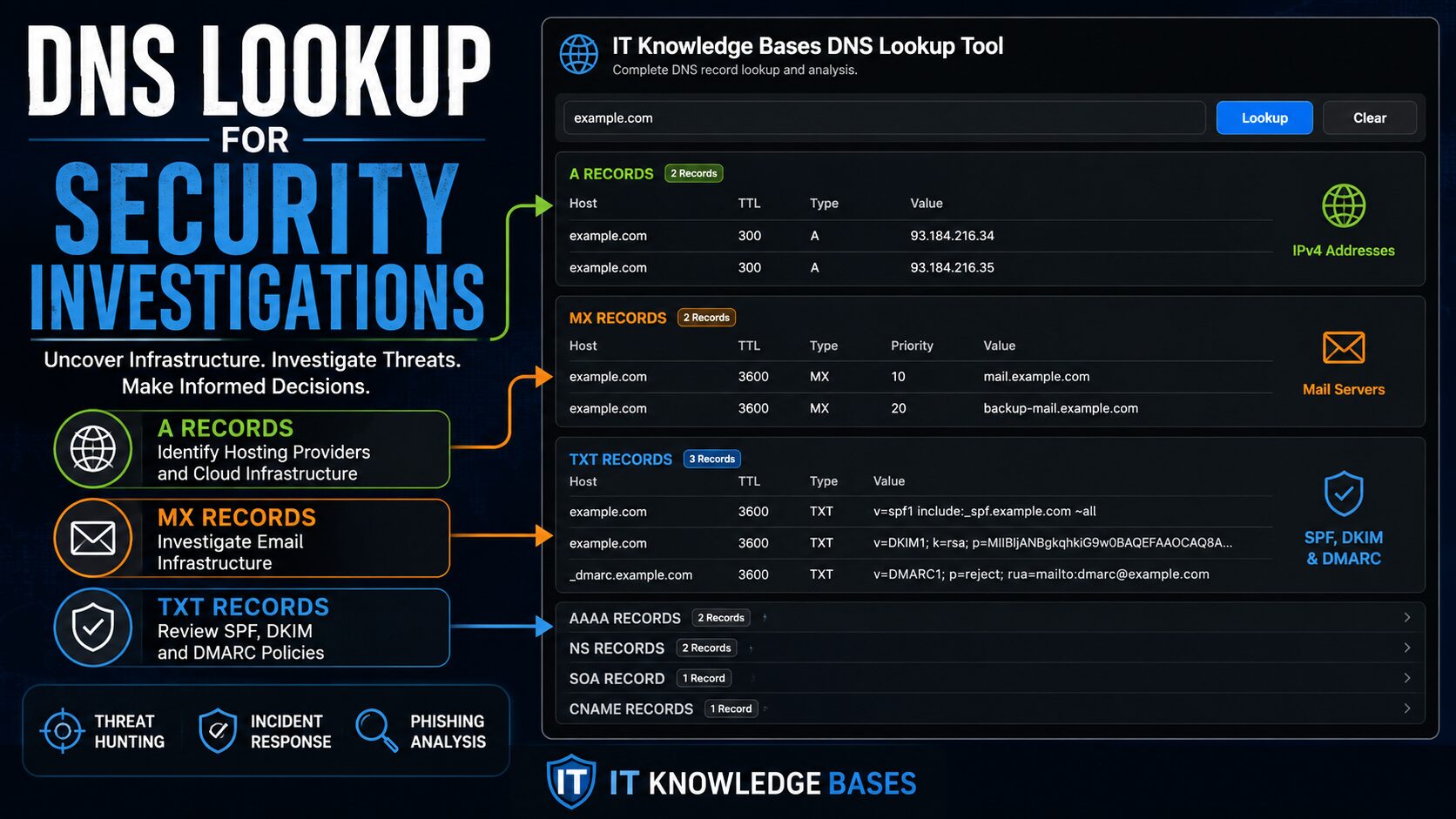
When investigating phishing emails, suspicious websites, malware activity, or potential command-and-control infrastructure, DNS records are often one of the fastest ways to gather actionable intelligence. A simple DNS lookup can reveal hosting providers, email infrastructure, cloud services, content delivery networks (CDNs), and security controls that help analysts understand what they are dealing with. Whether you’re…
-
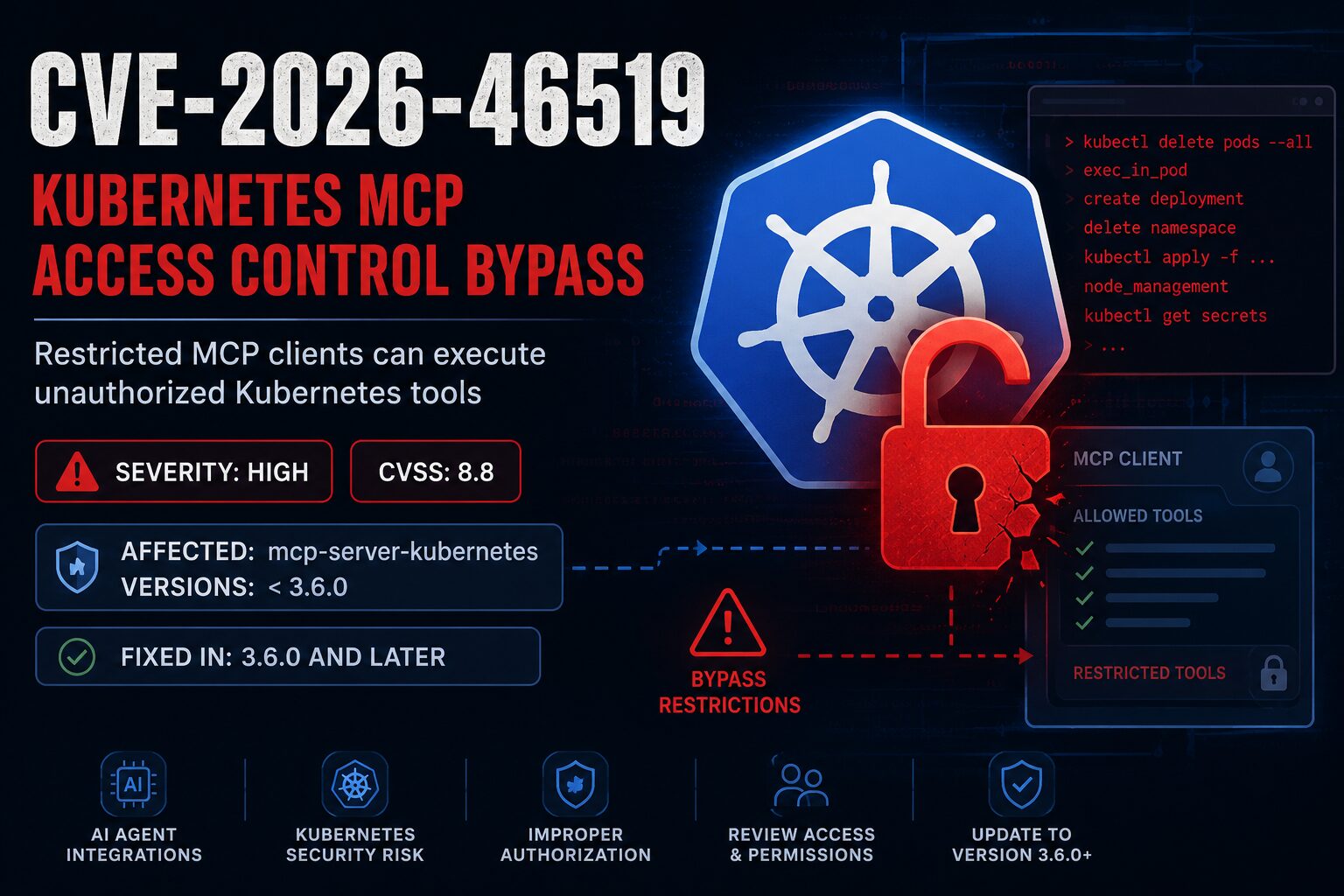
CVE-2026-46519 is a high-severity authorization bypass vulnerability affecting mcp-server-kubernetes, a Model Context Protocol server used for Kubernetes cluster management. The flaw allows a client to directly execute restricted Kubernetes tools even when environment variables are configured to limit available operations. This issue matters for DevOps teams, Kubernetes administrators, platform engineers, and security teams using AI…